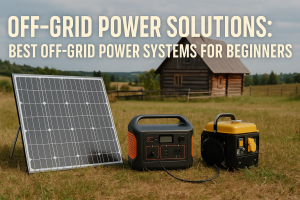
When you first step into the world of preparedness, figuring out off grid power systems can feel overwhelming. Solar panels, generators, batteries, inverters, it’s a lot. But don’t worry, you don’t need an engineering degree to build a reliable backup energy setup. In this guide, I’ll walk you through the best off grid power systems for beginners and help you choose the setup that fits your goals, budget, and level of involvement. By the end, you’ll have a solid grasp on which off grid power systems actually work, and which ones to avoid.
Why Off-Grid Power Matters
Grid outages are becoming more common due to extreme weather, aging infrastructure, and increased demand. Having your own power source means you’re no longer relying on someone else to keep the lights on. Off-grid power isn’t just convenient, it’s freedom. It’s resilience. And for preppers, it’s a must-have layer in your emergency plan.
1. Solar Power Systems (Most Beginner-Friendly)
Why Solar Is the Go-To Choice for Beginners
Solar is quiet, scalable, low maintenance, and long-term cost efficient. Once the panels and batteries are set up, the system runs itself. No fuel. No noise. No fumes.
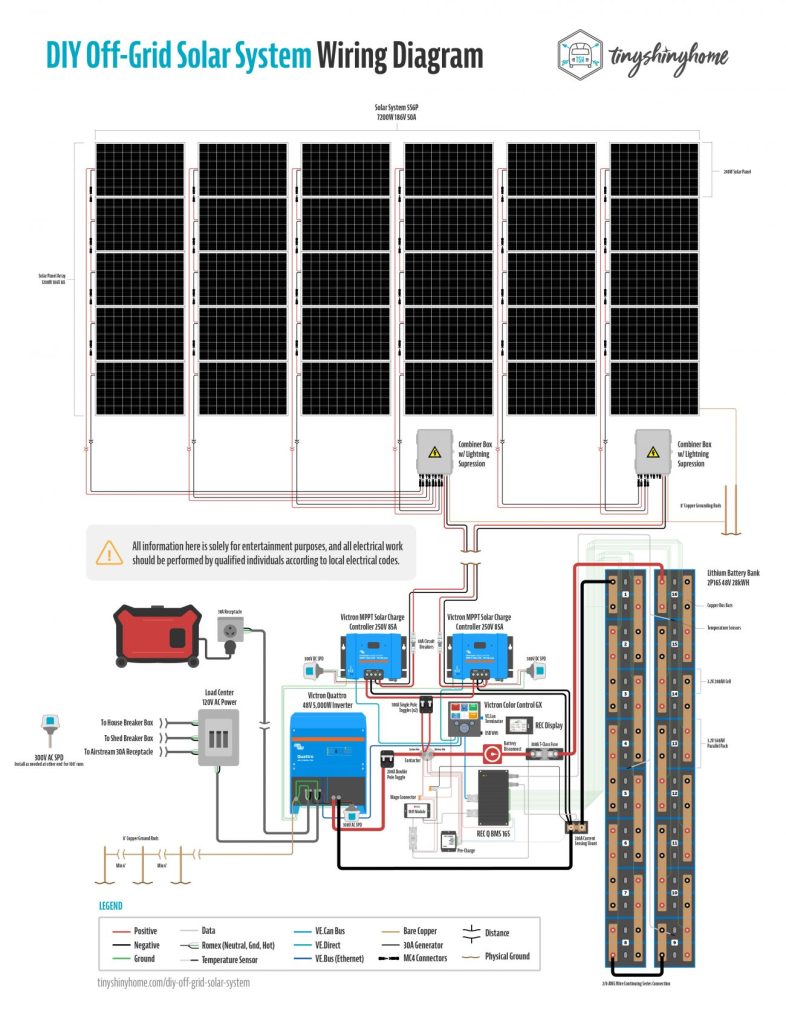
What You Need
- Solar panels (100–400W each)
- Charge controller (MPPT is best)
- Deep-cycle battery or LiFePO4 battery
- Inverter (if powering AC devices)
- Cables & mounting hardware
Best Use Cases
- Powering small appliances
- Charging electronics
- Running lights, fans, radios
- Long-term homestead power
Quick Tip:
Start with a small “solar generator” (portable power station) and expand later. It removes all wiring complexity while letting you learn the basics.
2. Portable Solar Generators (Easiest, Zero Setup Required)
If you don’t want to build a system from scratch, a portable solar generator is the simplest solution. These all-in-one units contain:
- A built-in battery
- Charge controller
- Inverter
- Input/output ports
You just plug solar panels in and you’re done.
Top Brands to Consider
- Jackery
- EcoFlow
- Bluetti
Best Use Cases
- Camping
- Power outage backup
- Vehicle-based preppers
- Bug-out scenarios
Why Preppers Love Them
They require no wiring, no expertise, and are incredibly reliable.
3. Gas & Propane Generators (Reliable Backup Power)
Generators aren’t a full permanent off-grid solution, but they’re perfect as a reliable backup. Unlike solar, they can produce large amounts of power on demand.
Pros
- High power output
- Great for emergencies
- Simple to use
Cons
- Requires fuel storage
- Noisy
- Not ideal for long-term off-grid use
Prepper Tip:
Dual-fuel generators (gas + propane) give you flexibility and longer shelf-life fuel options.
4. Wind Turbines (Secondary Power Source)
Wind energy works great in areas with consistent wind patterns. It’s not a beginner’s first choice, but it can be a strong addition to your main system.
Ideal Conditions
- Rural areas
- Coastal regions
- Open plains
Not Ideal For
Heavily wooded or enclosed neighborhoods.
Why Add Wind?
When the sun isn’t shining, the wind often picks up. Wind + solar is a powerful combo.
5. Micro-Hydro Systems (Most Powerful Long-Term)
If you have access to running water, micro-hydro can supply continuous energy—day and night.
Benefits
- Produces constant, steady power
- Most efficient of all renewable systems
- Low maintenance once installed
Drawbacks
- Requires a stream or flowing water
- More installation work
- Usually for rural homesteads
For long-term off-grid homesteading, hydro is the king if you have the right geography.
Choosing the Best Starter Setup
If You Want the Simplest Option
➡️ Portable solar generator + 1–2 panels
If You Want a More Permanent System
➡️ Basic solar panel setup + battery bank
If You Want Backup for Grid Outages
➡️ Dual-fuel generator + small solar generator
If You Want Full Off-Grid Capability
➡️ Solar + generator backup (wind or hydro optional)
Beginner Mistakes to Avoid
- Buying high-watt panels but no battery storage
- Forgetting an inverter
- Not calculating total watt-hour needs
- Relying on a generator as the ONLY system
- Building too big, too fast (start small!)
Final Thoughts
Being independent with your own power source is one of the most empowering steps you can take as a prepper. Start simple, learn the basics, and expand your system over time. Every watt you produce is one more step toward true resilience and self-reliance.
If you’re new to off grid power systems, keep it simple, stay patient, and build a system that fits your needs, not someone else’s.
About Author