Understanding the Importance of Home Defense for Preppers
Home defense is not about fear, it’s about preparation. For preppers, safety begins at home, where loved ones, supplies, and essential resources are stored. In times of uncertainty, whether caused by natural disasters, economic instability, or social unrest, a well-defended home provides stability and peace of mind.
Why Home Defense Matters in Uncertain Times
When emergency services are delayed or unavailable, self-reliance becomes critical. Effective home defense tips allow preppers to reduce vulnerabilities, deter threats, and respond confidently if danger arises. Preparation today prevents panic tomorrow.
Common Threats Preppers Plan Against
Preppers often consider a wide range of risks, including burglary, home invasion, looting during disasters, and civil unrest. Understanding these threats helps shape practical, realistic defense strategies that work in both everyday life and crisis situations.
Risk Assessment: Knowing Your Home and Surroundings
Before implementing defenses, preppers must evaluate their environment.
Evaluating Neighborhood Risks
Study local crime trends, traffic patterns, and access points. Homes near main roads, wooded areas, or abandoned properties may require extra attention. Awareness is the first line of defense.
Identifying Structural Weak Points
Doors, windows, garages, and basements are common entry points. Walk around your property and think like an intruder. If something looks easy to access, it probably is.
Layered Security: The Foundation of Effective Home Defense
Layered security means using multiple defenses so that if one layer fails, others remain intact.
Outer Perimeter Security
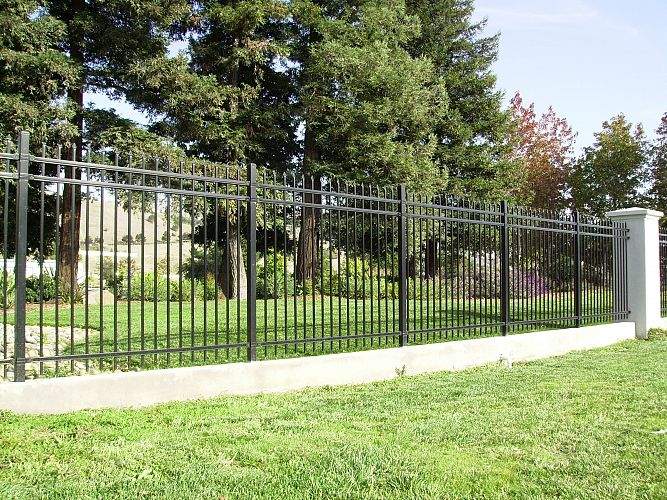

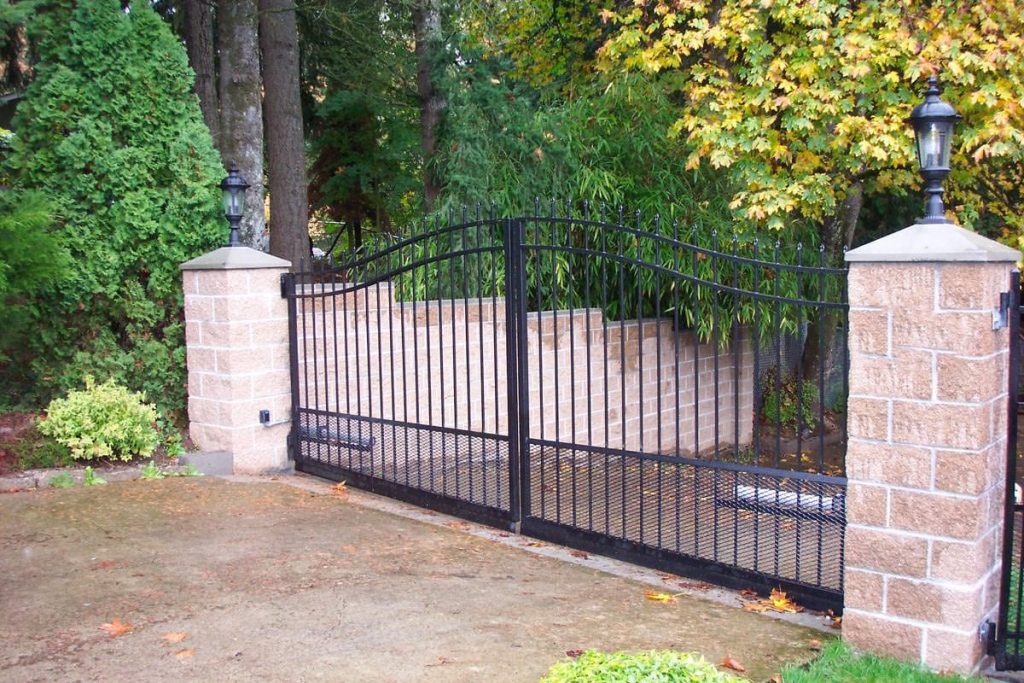
Fencing, Gates, and Natural Barriers
Fences, thorny bushes, gravel paths, and locked gates slow intruders and create noise. Even simple measures can make a home less attractive to threats.
Middle Layer: Home Exterior Protection
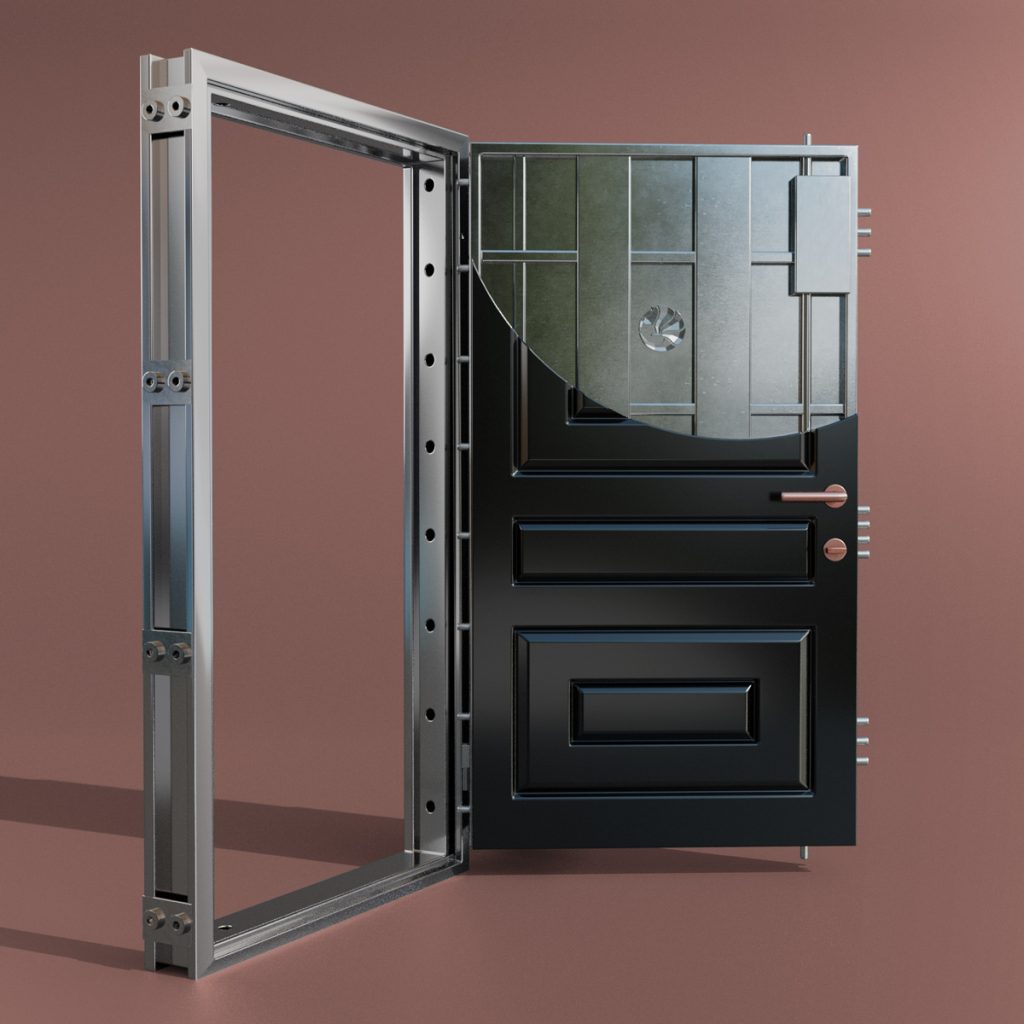
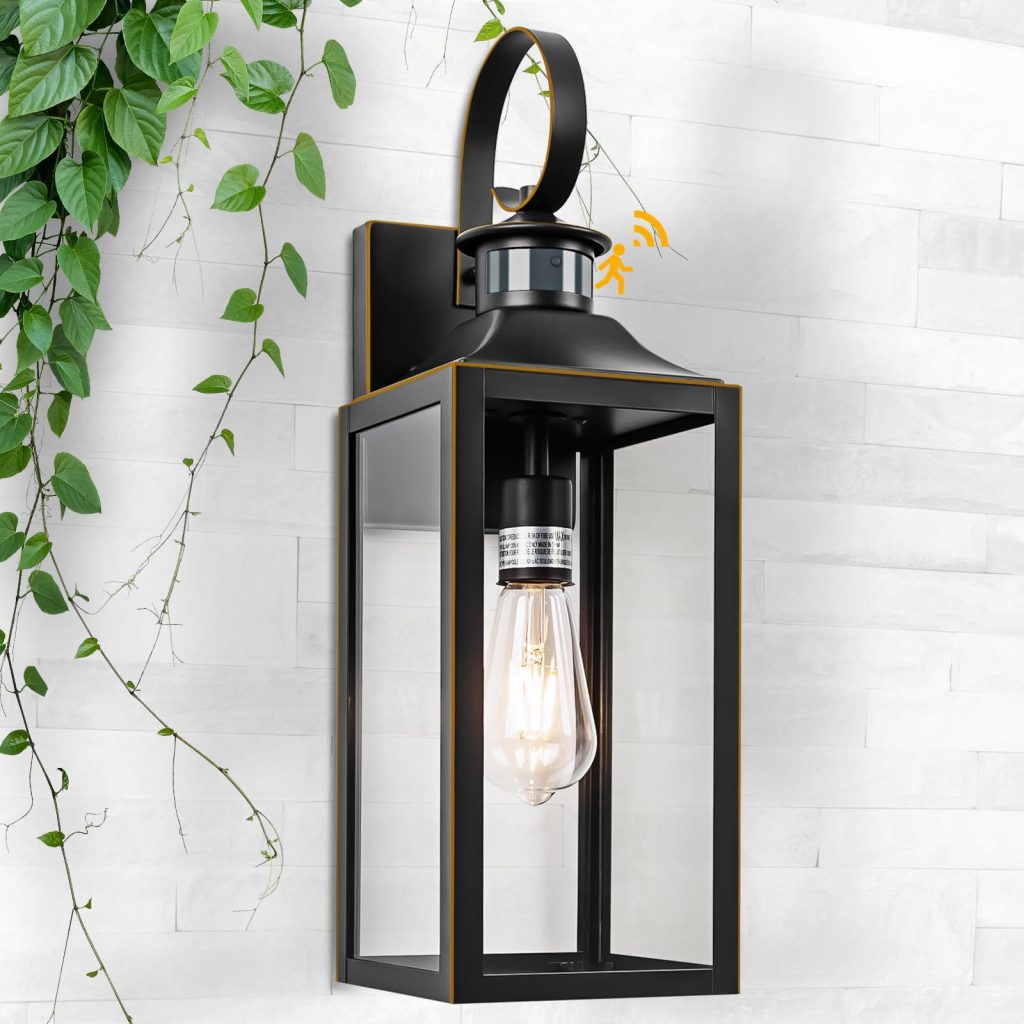
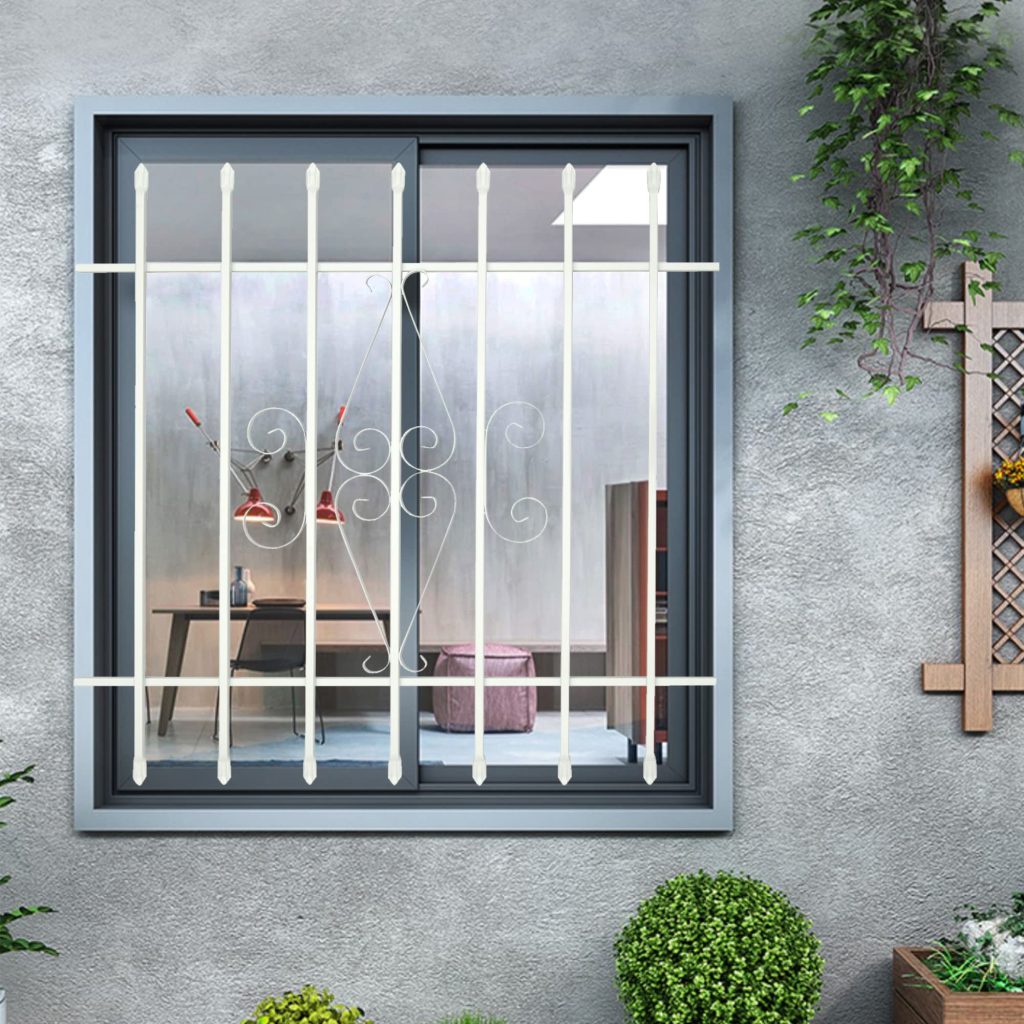
Doors, Windows, and Lighting
Solid-core doors, quality locks, and motion-activated lighting dramatically improve safety. Well-lit homes signal alert occupants and discourage unwanted attention.
Inner Layer: Safe Rooms and Family Protection
A designated safe room with reinforced doors, communication tools, and medical supplies adds a final layer of protection if outer defenses are breached.
Physical Home Defense Tips Every Prepper Should Know
Physical improvements are among the most reliable home defense tips available.
Reinforcing Doors and Windows
Install strike plates, longer screws in hinges, and security film on windows. These small upgrades significantly increase resistance to forced entry.
Strategic Furniture Placement
Heavy furniture placed near entry points can slow intruders and provide cover if needed. Bookshelves, dressers, and solid tables can double as barriers.
Surveillance and Early Warning Systems

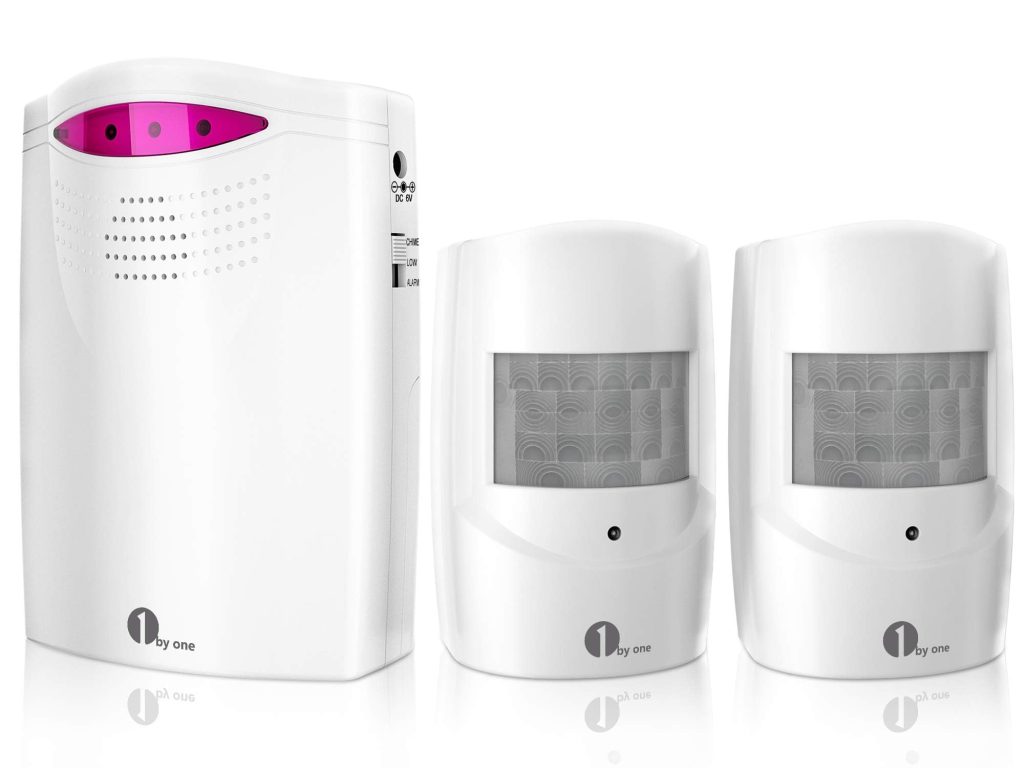
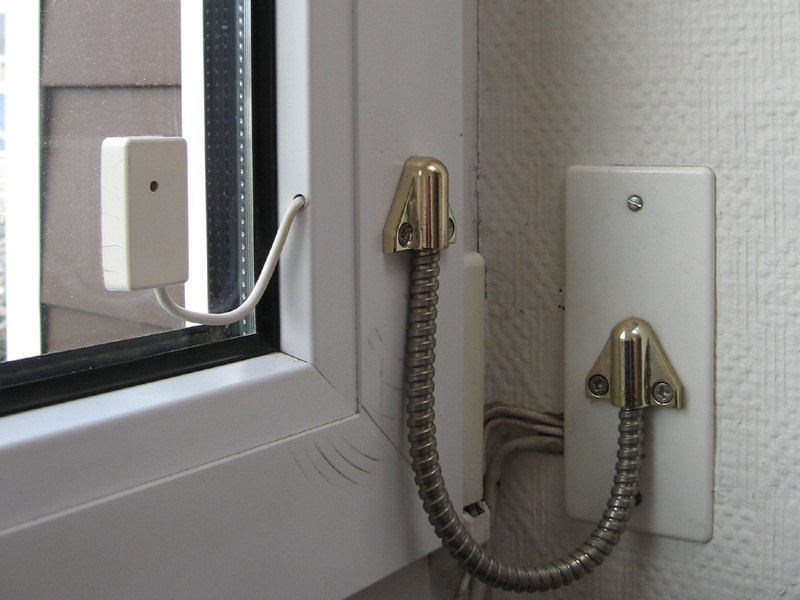
Cameras and Smart Monitoring
Security cameras offer real-time awareness and recorded evidence. Even visible cameras can deter criminal behavior.
Low-Tech Early Warning Tools
Gravel paths, bells on gates, and battery-powered alarms provide reliable alerts without relying on the internet or power grid.
Defensive Tools and Equipment for Home Defense
Non-Lethal Defense Options
Pepper spray, batons, and personal alarms offer protection without permanent consequences. These tools are useful for family members of varying skill levels.
Firearms and Legal Considerations
Firearms can be effective but require training, safe storage, and knowledge of local laws. Responsible ownership is essential for any prepper considering this option.
Operational Security (OPSEC) at Home
Avoiding Attention and Blending In
A low-profile home is often safer than a heavily fortified one. Avoid advertising preparedness through visible stockpiles or tactical gear.
Information Control
Limit what neighbors and strangers know about your supplies or plans. Information leaks can be as dangerous as unlocked doors.
Family Defense Planning and Training
Assigning Roles and Responsibilities
Every household member should know their role during emergencies, who secures doors, who gathers children, and who communicates with others.
Practice Drills and Communication Plans
Regular drills build confidence and muscle memory. Simple plans reduce confusion and save valuable time during real emergencies.
Psychological Preparedness and Deterrence
Presence, Posture, and Mindset
Confidence matters. A prepared household projects awareness and readiness, which can discourage threats before they arise.
FAQs About Home Defense Tips
1. What are the most important home defense tips for beginners?
Start with strong doors, good lighting, and situational awareness. These basics provide the biggest return on investment.
2. Are expensive security systems necessary?
No. Many effective home defense tips rely on low-cost, low-tech solutions like locks, lighting, and planning.
3. How often should I review my home defense plan?
At least once a year or after major life changes, renovations, or neighborhood developments.
4. Can renters apply home defense strategies?
Yes. Renters can use portable alarms, door braces, and lighting without permanent modifications.
5. Should children be involved in home defense planning?
Absolutely. Age-appropriate education helps children stay calm and follow instructions during emergencies.
6. Is deterrence more important than confrontation?
Yes. The best defense is preventing threats from occurring in the first place.
Conclusion: Building a Resilient and Secure Home
Effective home defense is a balance of preparation, awareness, and practicality. By applying layered security, thoughtful planning, and proven home defense tips, preppers can protect what matters most. A secure home isn’t about fear—it’s about confidence, resilience, and readiness for whatever the future may bring.
About Author