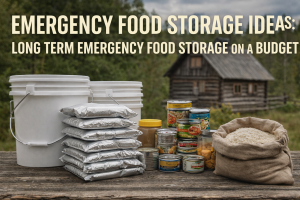
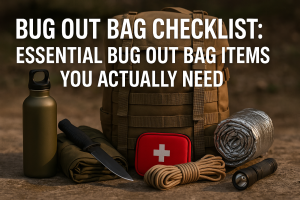
When most people hear emergency food storage, they picture expensive freeze-dried meals and panic buying. That mindset stops more people from preparing than any lack of money ever could. The truth is, emergency food storage can be built slowly, affordably, and intelligently, without turning your home into a warehouse or draining your bank account. In this guide, I’ll walk you through realistic, budget-friendly ways to build long-term emergency food storage that actually works when you need it.
Why Emergency Food Storage Is a Prepper Essential
Food supply disruptions don’t usually happen overnight. They creep in through price hikes, limited availability, and shrinking options. Having emergency food storage means you’re insulated from those disruptions. You’re not scrambling. You’re not dependent on last-minute store runs. You’re prepared.
For beginners, the goal isn’t perfection, it’s progress.
Start With Foods You Already Eat
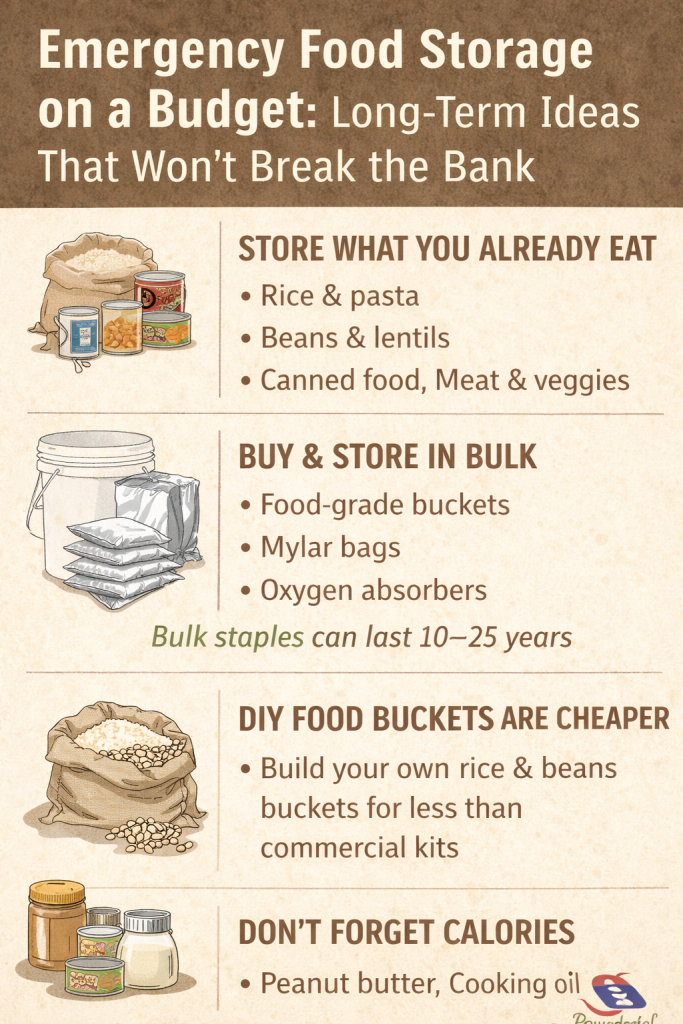
One of the smartest emergency food storage strategies is also the simplest: store what you already consume.
Budget-Friendly Staples
- White rice
- Dry beans and lentils
- Pasta
- Rolled oats
- Canned vegetables
- Canned meats (tuna, chicken, ham, spam)
These foods are cheap, familiar, and easy to rotate. Rotation is key, use the oldest food first and replace it during regular grocery trips.
Buy in Bulk and Repackage
Bulk buying saves money, but proper storage is what turns cheap food into long-term emergency food storage.
Simple Storage Supplies
- Food-grade buckets
- Mylar bags
- Oxygen absorbers
Stored correctly, dry staples like rice and beans can last 10–25 years. That’s real long-term value on a budget.
DIY Food Buckets Beat Pre-Made Kits
Pre-packaged survival food is convenient, but expensive. DIY food buckets give you the same calories at a fraction of the cost.
Basic DIY Bucket Example
- 25 lbs white rice
- 10–15 lbs dry beans
- Mylar bag + oxygen absorbers
Cost: dramatically lower than commercial kits with more control over what you’re actually eating.
Canned Foods Are Underrated
Canned foods don’t last as long as dry goods, but they shine in accessibility and ease of use.
Why Cans Still Matter
- No cooking required
- Long shelf life (2–5+ years)
- Easy rotation
Focus on protein and calorie-dense options to maximize value.
Calories Matter More Than Comfort
In an emergency, calories keep you moving and thinking clearly.
High-Calorie Budget Additions
- Peanut butter
- Cooking oil
- Sugar and honey
- Powdered milk
You don’t need gourmet meals—you need fuel.
Build Slowly and Stay Consistent
Emergency food storage isn’t a one-time purchase. It’s a habit.
Simple Rule
Every grocery trip, add one shelf-stable item specifically for storage.
Over time, this builds a serious food reserve without financial strain.
Common Beginner Mistakes to Avoid
- Buying food you don’t know how to cook
- Ignoring calorie needs
- Skipping rotation
- Going all-in on one food type
- Waiting for the “perfect” plan
Prepared beats perfect every time.
Final Thoughts
Long-term emergency food storage doesn’t require fear, panic, or a big budget. It requires discipline, planning, and steady action. Start small. Learn as you go. Build a system that fits your life and your space.
If you handle emergency food storage the right way, you’re not just preparing for disaster, you’re buying peace of mind.
About Author